Presented by Medi-ShareAlso sponsored by The Tuttle Twins
EquippingEncouragingFUN!
Are you an overwhelmed homeschool mom or dad navigating the early stages, unsure how to structure learning for your
kindergartener? In this blog post, we’ll explore how to make homeschooling kindergarten a magical experience filled with
joy, curiosity, and effective learning.
Embrace play-based learning to nurture your child’s natural curiosity.
Create a warm and inviting learning space that encourages exploration.
Choose a curriculum that aligns with your child’s learning style and interests.
Incorporate hands-on activities and real-life experiences into your lessons.
Attend Great Homeschool Conventions for inspiration, resources, and support.
Picture a learning space filled with laughter, wonder, and “aha!” moments. A place where your child’s interests and
passions are celebrated and woven into the fabric of their education, more individually tailored than public school.
Teach kindergarten right, and your kids learn just as much under your roof.
Homeschooling kindergarten is an exciting and transformative journey filled with endless possibilities. As a parent, you
have the unique opportunity to create a learning environment that nurtures your child’s natural curiosity and love for
learning.
However, the overwhelming choices in curricula, resources, and activities can leave you feeling unsure of where to begin
– especially with opportunities like online school looming in the background. But fear not! We’ll guide you through
homeschooling kindergarten, providing you with the tools and inspiration to create a joyful, play-based learning
experience that will set your child up for a lifetime of success. For those new to this educational approach, exploring what is homeschooling can provide additional insights and help clarify the process.
The Importance of Play-Based Learning in Kindergarten
Play is the universal language of childhood, and it’s no secret that it holds the key to unlocking your kindergartener’s
full potential. In the world of homeschooling, play-based learning takes center stage, offering a developmentally
appropriate and deeply engaging approach to education. By embracing play as a fundamental tool for learning, you’ll be
nurturing your child’s natural curiosity, creativity, and love for discovery.
But what exactly is play-based learning, and why is it so crucial for kindergarteners? Play-based learning is a powerful
educational approach that recognizes the inherent value of play in a child’s development. Through play, children explore
their world, develop essential skills, and make sense of complex concepts in a way that is both meaningful and
enjoyable. When you incorporate play into your homeschooling kindergarten curriculum, you’re creating a learning
environment that is both joyful and effective.
Research has shown that play-based learning offers a multitude of benefits for younger kids. It promotes the development
of social skills, emotional intelligence, language acquisition, problem-solving abilities, and cognitive growth. When
children engage in play, they’re not just having fun – they’re building a strong foundation for lifelong learning.
So, how can you harness the power of play-based learning in your homeschooling kindergarten journey? The key is to
provide your child with a rich and varied array of play experiences that encourage exploration, imagination, and
hands-on learning. This can include everything from open-ended play with blocks and puzzles to dramatic play, art
projects, and outdoor adventures. By following your child’s interests and offering a balance of structured and
unstructured play activities, you’ll be creating a learning environment that is both engaging and developmentally
appropriate.
As you embark on this play-based learning journey, remember that your role as a parent and educator is to be a
facilitator and guide. Provide your child with the tools, resources, and support they need to explore, discover, and
learn at their own pace. Trust in the power of play, and watch as your kindergartener blossoms into a confident,
curious, and joyful learner.
Dates and Locations
Great Homeschool Conventions 2023-2024
Dozens of Speakers, Discounted Hotels, 100s of Exhibitors,
Special Events, Optional Children’s Conference.
Creating a joyful learning environment is an essential aspect of homeschooling kindergarten. By designing a space that
is both inviting and inspiring, you’ll be setting the stage for a love of learning that will last a lifetime. Here are
some key elements to consider when designing your kindergartener’s learning oasis:
1.
Choose a dedicated learning space: Designate a specific area in your home for learning activities. This could be a
corner of your living room, a spare bedroom, or even a cozy nook in your kitchen. Having a dedicated space will help
your child associate learning with a positive and consistent environment.
2.
Make it comfortable and inviting: Fill your learning space with soft cushions, cozy blankets, and plenty of natural
light. Add some soothing colors and textures to create a warm and welcoming atmosphere. When your child feels
comfortable and at ease, they’ll be more open to learning and exploration.
3.
Incorporate learning centers: Divide your learning space into different learning centers, each focused on a specific
subject or skill. For example, you could have a reading nook, a math manipulatives corner, an art station, and a sensory
play area. By providing a variety of learning centers, you’ll be catering to your child’s diverse interests and learning
styles.
4.
Display your child’s work: Dedicate a wall or bulletin board to showcasing your kindergartener’s artwork, writing
samples, and other creations. Celebrating your child’s accomplishments will boost their confidence and make them feel
proud of their learning journey.
5.
Incorporate nature and natural elements: Bring the outdoors in by adding plants, natural materials, and plenty of
sunlight to your learning space. Nature has a calming and inspiring effect on children, and it can help foster a sense
of wonder and curiosity.
6.
Make it organized and clutter-free: Keep your learning space tidy and organized with plenty of storage solutions. Use
labeled bins, baskets, and shelves to store learning materials and supplies. A clutter-free environment will help your
child focus on learning without distractions.
7.
Encourage independence and exploration: Design your learning space in a way that encourages your child to explore and
learn independently. Make learning materials easily accessible and provide plenty of open-ended resources that your
child can use to create, build, and discover.
8.
Infuse the space with joy and playfulness: Above all, make sure your learning space is a joyful and playful place. Add
some whimsical touches, such as colorful posters, fun learning games, and playful decorations. When your child
associates learning with fun, they’ll be more motivated and engaged.
By designing a learning environment that incorporates these elements, you’ll be creating a space that nurtures your
child’s natural curiosity and love for learning.
Choosing the Right Curriculum
Selecting the perfect kindergarten homeschool curriculum in the best
states of homeschooling is one of the most important decisions you’ll make as a homeschooling parent. By keeping your child’s unique learning style, interests, and developmental needs
in mind, you’ll
be well on your way to finding a curriculum that sparks joy and fosters a love of learning.
Understanding Your Child’s Learning Style
1.
Visual learners: These children learn best through images, charts, and diagrams. Look for curricula that incorporate
plenty of visual aids and colorful illustrations.
2.
Auditory learners: These learners thrive on verbal instructions and discussions. Consider curricula that include audio
components, such as songs, rhymes, and read-alouds.
3.
Kinesthetic learners: These children learn best through hands-on activities and movement. Seek out curricula that
incorporate manipulatives, games, and physical activities.
Keep in mind that while adhering to state laws is essential, it’s equally important to choose a curriculum that aligns
with your family’s values, beliefs, and educational goals. By finding a balance between legal requirements and your
child’s individual needs, you’ll be setting the stage for a successful and joyful homeschooling journey.
Remember, choosing the right curriculum is an ongoing process. As your child grows and develops, their learning needs
and interests may change. By remaining flexible, adaptable, and attuned to your child’s unique learning journey, you’ll
be able to create a homeschooling experience that is both joyful and effective.
Engaging Hands-On Activities and Real-Life Experiences
Bringing learning to life through hands-on activities and real-life experiences is the key to making homeschooling
kindergarten a memorable adventure. By incorporating engaging, multi-sensory activities into your curriculum, you’ll be
fostering your child’s natural curiosity, creativity, and love for learning. Let’s explore some exciting ways to make
learning a hands-on, real-life experience!
Nature Exploration and Outdoor Learning
Nature walks and scavenger hunts are a wonderful way to take learning outside. Embark on adventures together, collecting
leaves, rocks, and other natural treasures. Use these finds to create art projects, science experiments, and sensory
bins. Gardening and plant growth are also excellent opportunities for outdoor learning. Plant a small garden together
and use it as a living laboratory to teach about plant life cycles, soil science, and healthy eating. Don’t forget to
incorporate learning into outdoor play with sidewalk chalk math problems, letter hopscotch, and nature-inspired
storytelling.
Cooking and Baking Adventures
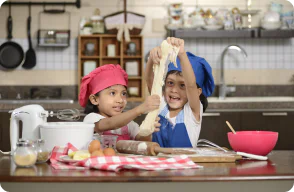
Cooking and baking projects are not only fun but also educational. Use these activities to teach basic math concepts
like measuring, fractions, and sequencing. As you prepare meals together, discuss the importance of healthy eating
habits and explore the different food groups. Take your culinary adventures a step further by cooking dishes from around
the world, introducing your child to different cultures, cuisines, and traditions.
STEM Challenges and Experiments
Encourage problem-solving and spatial reasoning with building challenges using blocks, LEGO, or recycled materials.
Conduct age-appropriate science experiments to explore concepts like gravity, buoyancy, and magnetism. Introduce basic
coding concepts through unplugged activities and beginner-friendly robotics kits. These STEM challenges and experiments
will help develop your child’s critical thinking and analytical skills.
Get inspired, find practical homeschool resources, and connect with a community that understands the journey. Join us at a Great Homeschool Convention near you.