



Jump To
- Practical Strategies while Homeschooling while working
- Insights from Parents Homeschooling while working
- Encouraging Independence in Your Child’s Learning
-
Building a Supportive Community while Homeschooling while
working -
Is it possible to find fulfillment in the juggle of
homeschooling while working?
Are you considering homeschooling your child but concerned about the
challenges of living in a rural area? Homeschooling in rural areas can
present unique challenges, such as limited access to teaching resources
and extra-curricular activities. However, it also provides opportunities
for creative solutions and a unique learning experience.
-
Overcome challenges with innovative solutions for a unique learning
experience. -
Make the most of local assets to enhance your child’s education,
even in resource-limited areas. -
Navigate technology hurdles with our strategies, ensuring a
well-rounded homeschooling experience even in rural settings.
Are you exploring homeschooling in rural areas? Discover the unique
perks of homeschooling amidst rural charm. Dive into our blog with Great
Homeschool Conventions for tips on turning challenges into triumphs!
Learn to maximize local resources, navigate tech hurdles, and build a
strong support network.
Understanding the Challenges of Rural Homeschooling
Navigating homeschooling in rural areas presents distinct socialization
obstacles. Limited internet access can impede educational efforts, while
sparse support groups and community activities may further isolate
families. Homeschooling parents in small towns often grapple with
loneliness, and accessing resources proves challenging. Finding high
school equivalents or connecting with public school programs last year
can be demanding. Fostering playtime and involvement in organizations
like Boy Scouts for young children can be daunting. Moreover, leveraging
Facebook
to connect with others may pose challenges when living miles away from
crowded areas like Texas or Lincoln.
Coping with Isolation
Coping with isolation as a homeschooling parent in a rural area
demands creativity in combating loneliness. Social media can be a
valuable tool, enabling families to connect with others and share
experiences. Local homeschooling groups offer essential support
for families dealing with isolation, fostering a sense of
community. Encouraging playtime with local families helps
alleviate feelings of loneliness and enhances social interaction
for young children. Engaging in community activities is vital for
mitigating socialization issues and creating opportunities for
homeschoolers to bond with their age peers.

Overcoming Limited Access to Teaching Resources
Achieving a balance between job, life, and school requires
impeccable time management skills. Before you can manage your
time, you need to understand where it’s going. Not all tasks are
created equal. Learn to identify the most important tasks (the
ones that will move you closer to your goals) and focus on those
first. Delegate, eliminate, or reschedule less important tasks.
Working full-time while homeschooling demands a supportive
community and a harmonious fit between business and educational
needs. Critical to this balance is ensuring that job hours align
with learning schedules, all while meeting the family’s needs.
Maintaining harmony among these different aspects is essential for
a successful juggling act.
Utilizing Available Resources in Rural Areas
Making the most of local community support networks is essential for
rural homeschooling families. The countryside provides an ideal setting
for practical lessons, offering a unique learning environment.
Connecting with local families enhances the education experience and
fosters a sense of community. Moreover, leveraging local community
activities enriches homeschooled children’s education, providing
holistic learning experiences. Small-town homeschooling can fully
utilize local resources to create a well-rounded education that
complements the traditional high school curriculum.
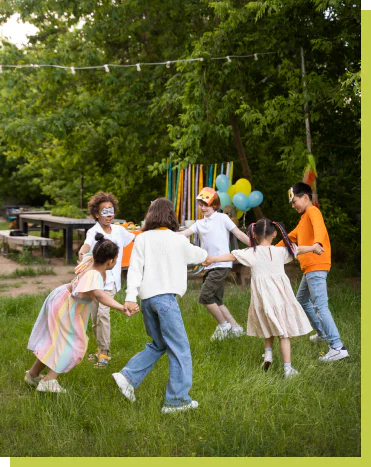
Leveraging Local Community for Learning
Engaging in local community activities can support education in
rural areas’ learning objectives, fostering a rich social and
learning environment through collaboration among local families.
Homeschool groups in rural areas are crucial in creating community
learning experiences, offering diverse educational opportunities
through local field trips, and networking with other families.
These interactions enhance the education experience, providing
practical lessons and resources while encouraging play time and
engagement with Boy Scouts and other community organizations.
Leveraging the natural environment and local resources supports a
holistic approach to education, complementing the academic
curriculum with real-life experiences.
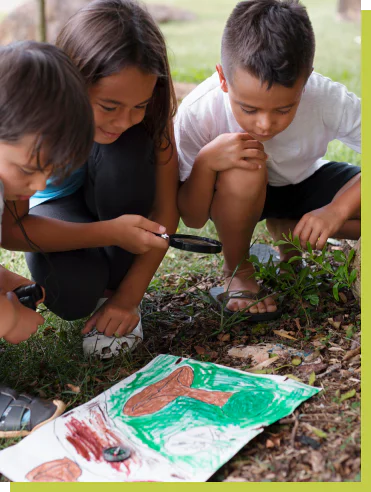
Making Use of Natural Environment for Practical Lessons
Making the most of the surrounding natural environment can provide
valuable hands-on learning experiences for homeschooling families
in rural areas. Integrating nature walks, outdoor exploration,
gardening, and farming into lessons offers practical and engaging
learning opportunities. Observing local wildlife and ecosystems
can be woven into education activities, inspiring creativity and
curiosity in young learners. Harnessing the rural surroundings
allows for a unique approach to education, enhancing the overall
learning experience for children.
Living in a rural area offers a unique opportunity to enrich your
learning experience by leveraging the local community and natural
environment. Here’s how you can make the most of it:
Connect with Local Families:
Some additional resources
are Homeschooling Today,
The National Homeschool Association, and
Rural Homeschooling.-
Join homeschooling groups in rural areas: These groups provide a
sense of community, support, and shared experiences. You can
organize group field trips, co-ops, and playdates. -
Network with other families: Get to know your neighbors and
fellow homeschoolers. This can lead to opportunities for
learning exchanges, borrowing resources, and sharing childcare.

Participate in Local Community Activities:
-
Visit farms and historical sites: Immerse your children in local
history and culture through hands-on experiences. -
Volunteer in your community: Give back while providing valuable
service learning opportunities for your children. -
Join clubs and organizations: Boy Scouts,
4-H clubs , and other organizations offer social interaction and skill
development.

Integrate the Natural Environment into Your Curriculum:
-
Go on nature walks and hikes: Explore the local flora and fauna,
learn about ecosystems, and practice outdoor survival skills. -
Start a garden or farm: Teach your children about food
production, sustainability, and responsibility. -
Conduct science experiments in the field: Observe weather
patterns, study plant life, and collect data for projects.

Additional Tips:
-
Utilize your local library: Libraries offer many resources,
including books, DVDs, and educational materials. -
Use online resources: Many websites offer free educational
materials and virtual field trips. -
Get creative: Think outside the box and develop unique ways to
incorporate the local community into your curriculum.

Addressing the Lack of Homeschool Extra-Curricular Activities
Devising creative solutions for physical education is crucial for
children. Encouraging team sports can promote socialization and physical
activity, benefitting young children’s development. Homeschooling
families can also nurture independent hobbies and interests,
compensating for the lack of extracurriculars available in high school
or public school settings. Local community sports activities and
exploring artistic pursuits at home enhance the learning experience.
Finding Creative Solutions for Physical Education
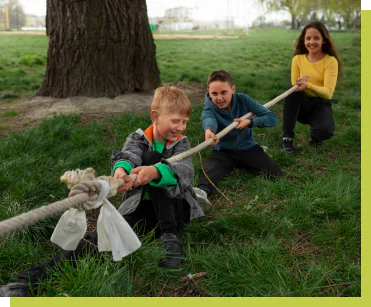
Engaging in outdoor activities supports children’s physical
education. Encouraging participation in local community sports
fulfills physical education needs, while pursuing outdoor
recreational activities provides physical development
opportunities. Integrating group exercises with local families
supports physical education, and creating an engaging home workout
routine addresses physical education requirements.Encouraging
Artistic Exploration, Hobbies, and Interests at Home
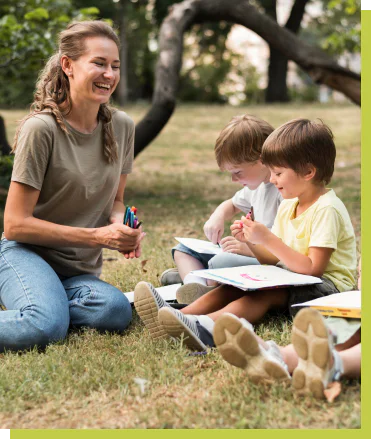
Encouraging Artistic Exploration, Hobbies, and Interests at
Home
Nurturing creativity in children through embracing artistic hobbies and
crafts is essential for their holistic development. Exploring local art
classes, workshops, and community art projects can significantly enhance
the artistic exploration of young learners. Encouraging self-expression
through art allows learners in rural areas to develop valuable skills
while leveraging online resources for art education, enriching their
overall learning experience. By providing opportunities for artistic
expression and exploration, parents can foster a well-rounded education
for their children, transcending the limitations of traditional public
schools.
Developing personal interests through the independent pursuit of hobbies
is essential to learning. Children can explore local community hobby
clubs and participate in hobbyist events to hone their skills. By
leveraging local resources, they can broaden their experiences and
foster self-motivation. Pursuing hobbies independently not only promotes
growth but also encourages self-directed learning. Encouraging play time
with peers and integrating activities like Boy Scouts can further
enhance their development and social skills. Embracing opportunities
within the community, such as engaging in local events and using natural
surroundings, can enrich their education journey.
Managing Limited Access to Technology and the Internet
Adapting to limited internet access with offline educational tools is
crucial in rural areas. Finding alternative resources for learning
becomes essential when technology constraints are high. Balancing online
and offline learning can greatly enhance the education experience by
providing diverse learning strategies. Leveraging offline learning
materials can be a great asset when handling limited technology access.
In areas with technology constraints, diverse learning strategies play a
vital role in ensuring a well-rounded education for children.
Boost your homeschooling in rural areas with these
ideas:
-
Local Hubs: Tap into libraries and community centers for books,
DVDs, educational materials, and learning events. -
Hands-on Learning: Get crafty with printed resources, science
experiments, gardening, and outdoor exploration. -
Nature’s Classroom: Hike, camp, and explore the natural
environment for lessons in science, geography, and survival
skills. -
Field Trips: Immerse yourselves in local history and culture at
museums, farms, and historical sites. -
Community Collaboration: Host group learning activities in
shared spaces to foster collaborative skills and social
interaction.
Maximize Infrequent Internet Access:
-
Schedule Wisely: Allocate internet time for essential tasks like
research, virtual classes, and connecting with online
communities. -
Be Flexible: Adjust your schedule around internet availability
and utilize offline activities during downtime. -
Offline Challenges: Turn the internet disconnect into an
opportunity for critical thinking, independent learning, and
creative problem-solving.
How does homeschooling in a rural area differ from homeschooling in
an urban area?
Homeschooling in rural areas may present unique challenges, such as
limited access to resources, extracurricular activities, and
socialization opportunities. However, it also offers advantages like a
closer connection to nature, more personalized learning experiences, and
a strong sense of community support.
Building a Support Network in Homeschooling in Rural Areas
Establishing connections with local families is essential for mutual
support and collaboration. Engage with nearby homeschool groups to
exchange valuable resources and share experiences, enriching the
learning journey. This can be particularly beneficial for those navigating single parent homeschooling, as it provides a supportive community and opportunities for shared activities or resource exchanges. Cultivating friendships within the community can
provide a sense of belonging and strengthen the overall education
experience. Additionally, online homeschooling communities offer various
support and resources, connecting homeschooling families beyond physical
distances. Building relationships with local homeschooling families not
only fosters support but also creates a network for shared playtime,
educational outings, and extracurricular activities, enhancing the
social aspect of homeschooling.
Connecting with Other Rural Homeschooling Families
Connecting with other rural homeschooling families can
significantly enrich the experience. Seek local groups and support
networks in rural areas to establish connections and gather
valuable resources. Participate in group field trips, community
activities, and local events to socialize with like-minded
families. Sharing experiences and collaborating with other parents
can create a supportive network that benefits everyone involved.
By actively participating in these group activities and connecting
with other families, homeschooling in the countryside can become a
vibrant and enriching experience for parents and children.
Engaging with Online Homeschooling Communities
Engaging with online homeschooling communities involves utilizing
social media platforms to connect with like-minded individuals.
Joining online support groups and forums provides valuable
guidance and a sense of community. Engaging in virtual learning
activities and discussions with other homeschoolers fosters a
collaborative learning environment. Online resources and webinars
offer comprehensive support for education, including insights from
experienced homeschool moms. Additionally, connecting with
families beyond rural areas introduces diverse perspectives,
enriching the overall experience.
Cultivating Relationships within the Local Community
Engaging homeschooling in rural areas activities and events
fosters community relationships. Volunteering and community
service provide valuable learning experiences. Embracing local
culture and education enriches learning. Leveraging local
resources and expertise enhances the learning process. Connecting
with local community groups and organizations offers support and
collaboration opportunities.
Embracing the Benefits of Homeschooling in Rural Areas
Discovering the beauty of homeschooling in rural areas allows for a
unique celebration of its advantages. By embracing this setting,
children naturally foster independence and resourcefulness, enhancing
their overall development. The natural environment becomes a classroom,
offering abundant opportunities for hands-on learning experiences.
Additionally, rural areas provide a supportive community that fosters
collaboration and knowledge sharing, enriching the education journey.
The peaceful surroundings of rural living contribute to a conducive
learning atmosphere, nurturing a love for education.
How Does Rural Living Enhance the Homeschooling Experience?
Engaging with the rural lifestyle enhances homeschooling in rural
areas in a unique way. Children can participate in outdoor and
nature-based learning activities, tapping into local expertise and
resources for enrichment. Rural homeschooling isn’t just about
academics; it’s about embracing a unique lifestyle. It’s about
learning from the whispers of the wind, the secrets of the forest,
and the warmth of a supportive community. So, take a deep breath
of fresh air and open your arms to the endless possibilities that
await in your rural backyard. The homeschooling journey, amidst
the charm of nature, promises to be an enriching and unforgettable
adventure for you and your child.
Conclusion
-
Rural homeschooling comes with challenges but offers unique
opportunities for personalized and experiential learning. By
leveraging the local community, utilizing the natural environment,
and finding creative solutions for extra-curricular activities,
you can create a well-rounded education for your children. -
Additionally, managing limited access to technology and building a
support network of like-minded families can further enhance the
education experience. Embrace the benefits of rural homeschooling,
such as a closer connection to nature, a stronger sense of
community, and the freedom to tailor your child’s education to
their needs. -
If you have any questions or need guidance on navigating rural
homeschooling, feel free to get in touch with us.

Ready to Experience It for Yourself?
Get inspired, find practical homeschool resources, and connect with a community that understands the journey. Join us at a Great Homeschool Convention near you.
Register